


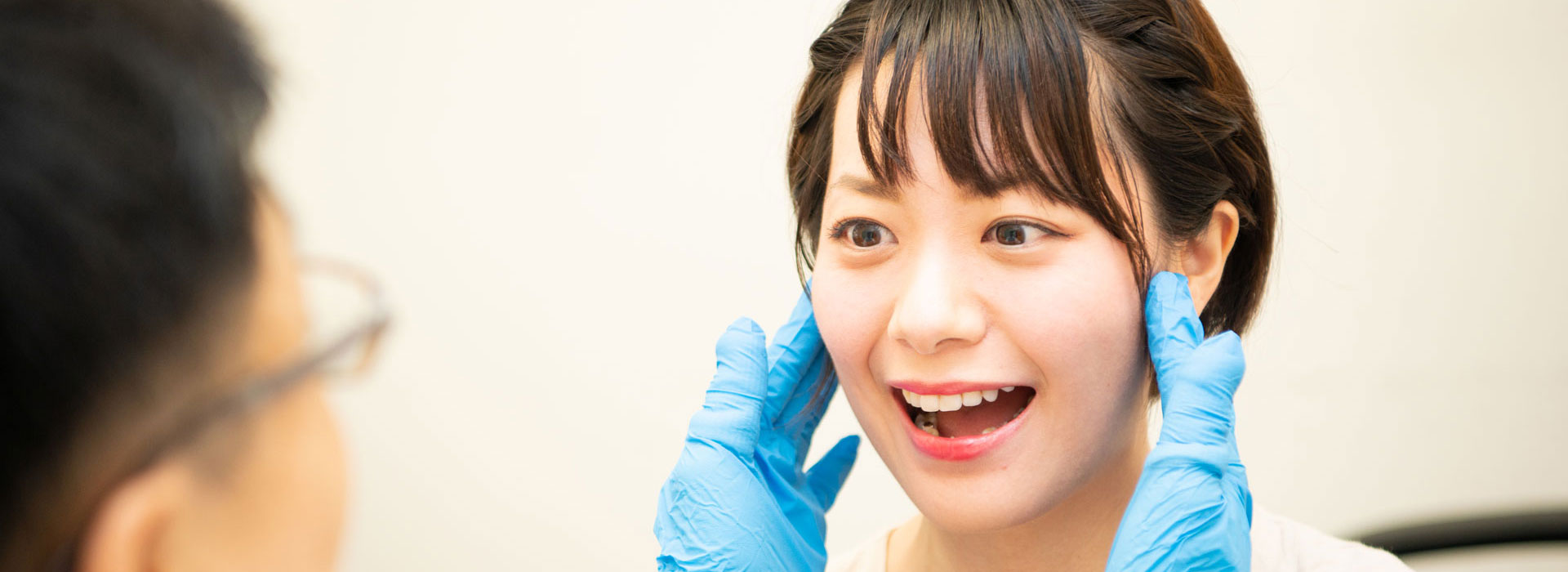
Jaw Physiotherapy Sydney CBD | TMJ & Jaw Pain Treatment
Jaw pain, clicking, stiffness or difficulty moving your jaw can affect everyday activities such as eating, speaking and even smiling. For some people, jaw problems can also be associated with facial pain, headaches or tension around the neck.
The temporomandibular joints (TMJs) are complex structures that work together with the surrounding muscles, ligaments and other tissues to control the movement of your jaw. When these structures are not functioning properly, physiotherapy may help reduce symptoms and restore comfortable jaw movement.
At Metro Physiotherapy, we have extensive experience in assessing and treating TMJ and jaw disorders. Our approach focuses on understanding the factors contributing to your symptoms and developing a personalised treatment plan to help you improve your jaw function and return to the activities you enjoy.
Experiencing jaw pain or TMJ problems? Book an appointment with our jaw physiotherapist, Tad Okutani.
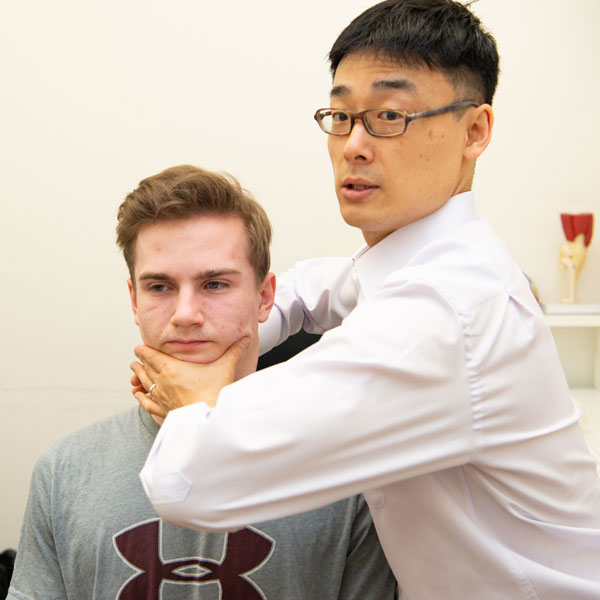
Signs You May Have a Jaw or TMJ Problem
Jaw problems can present in different ways, and you don’t necessarily need to have severe pain to benefit from an assessment. Some common signs and symptoms we treat include:
- Clicking or popping when opening or closing your mouth
- Jaw pain, aching or tiredness, particularly when chewing or talking
- A locked jaw, where the lower jaw becomes stuck in an open or closed position
- Teeth grinding (bruxism), jaw clenching (particularly at night) and/or cracked teeth
- Tight or painful cheek and jaw muscles
- Stiffness or difficulty opening your mouth
- Your jaw moving or opening unevenly
- Difficulty or discomfort when biting, chewing or eating
- Jaw or facial symptoms following an injury or dental procedure
TMD (temporomandibular disorder) is relatively common and can affect the joints, muscles and other structures involved in jaw movement. Some studies suggest that between 5% and 12% of the population suffer from Temporomandibular joint and muscle disorder (TMD). Symptoms can vary considerably from person to person, which is why a thorough assessment is important when determining the most appropriate treatment.
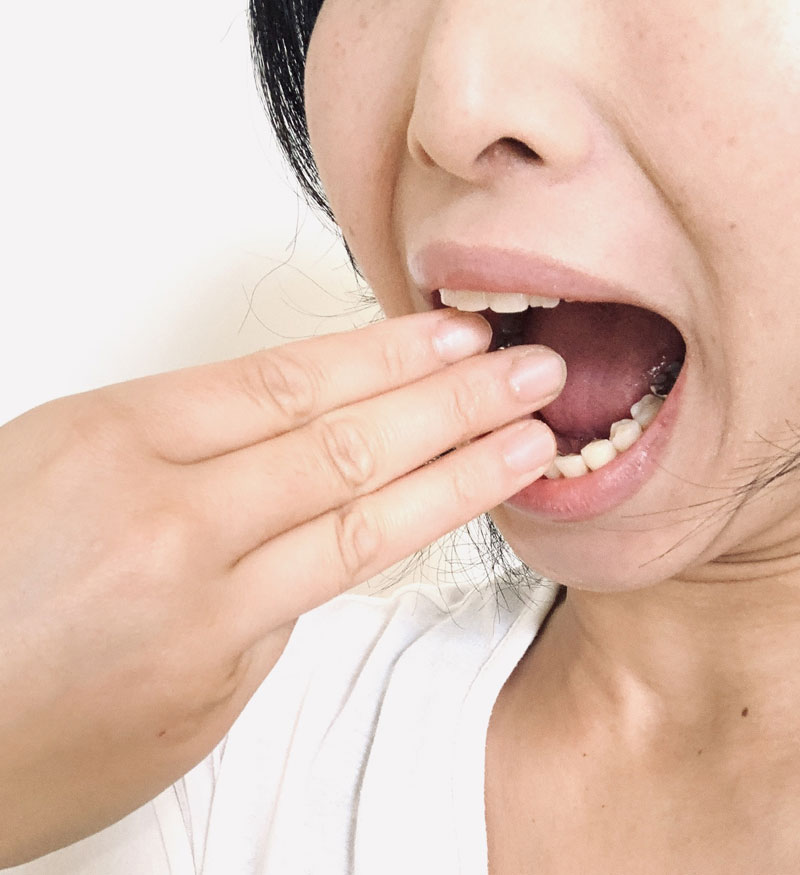
Can You Fit Three Fingers Between Your Teeth?
As a simple self-check, try placing three fingers vertically between your upper and lower front teeth when your mouth is open.
Being able to do this comfortably can provide a general indication of your jaw’s range of movement. However, jaw function isn’t determined by this test alone.
If you can open your mouth but experience clicking or popping without pain, you may benefit from trying our self jaw exercises to help improve jaw movement and control.
If you cannot comfortably fit three fingers, or experience pain, stiffness, locking or difficulty opening your mouth, it may be worth having your jaw assessed by a physiotherapist.
Experiencing ongoing jaw symptoms? Book an assessment with our experienced jaw physiotherapist, Tad Okutani.
Why Choose Metro Physiotherapy for Jaw Treatment?
Jaw and TMJ problems can be complex, particularly when symptoms involve the jaw, face, neck or headaches. At Metro Physiotherapy, we take the time to understand your symptoms, assess how your jaw is functioning and develop a treatment plan based on your individual needs.
Why choose Metro Physiotherapy for jaw physiotherapy?
- Specialised jaw and TMJ experience – We have extensive experience assessing and treating jaw disorders and dysfunction.
- Personalised treatment – Your treatment is based on your symptoms, jaw function, contributing factors and individual goals.
- Thorough assessment – We assess jaw movement and function to help identify the factors contributing to your symptoms.
- A practical approach to recovery – Treatment may include manual therapy, targeted exercises, education and advice to help you manage your symptoms.
- Collaboration with other healthcare professionals – Where appropriate, we can work alongside your dentist, prosthodontist, GP or other healthcare professionals.
- Convenient Sydney CBD location – Our clinic is located on Pitt Street, just two minutes’ walk from Town Hall Station.
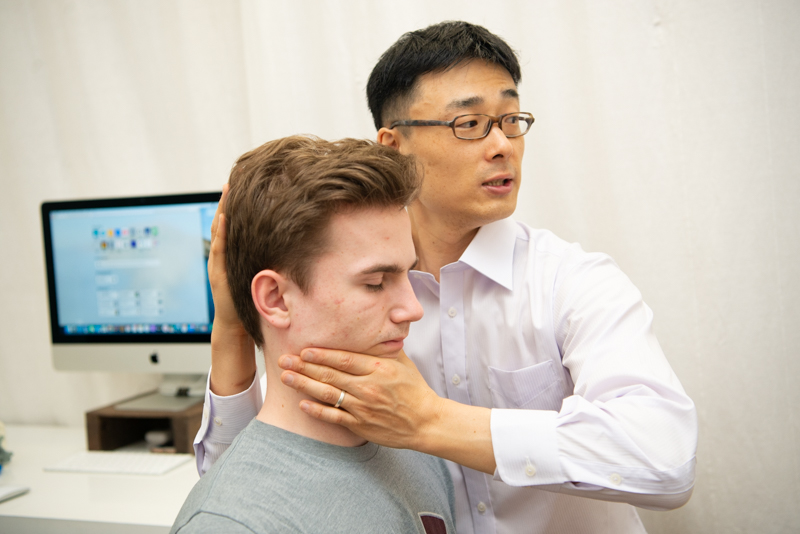
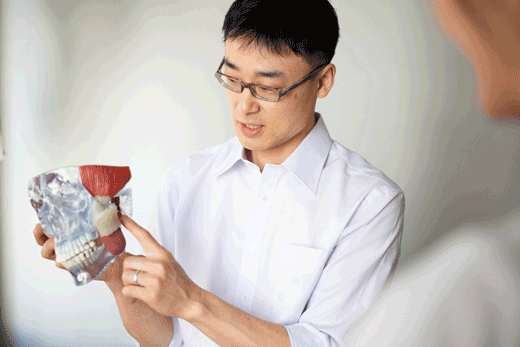
Meet Tad Okutani – Jaw Physiotherapist
Tad Okutani is Metro Physiotherapy’s experienced jaw physiotherapist, with a particular interest and extensive clinical experience in treating TMJ and jaw disorders.
Tad takes a detailed approach to jaw assessment and treatment, recognising that jaw symptoms can be influenced by the muscles, joints, habits and surrounding areas such as the neck.
He has treated hundreds of patients with jaw problems and works with each patient to understand their symptoms, identify contributing factors and develop an individualised treatment program.
Tad also speaks Japanese fluently, making Metro Physiotherapy a convenient option for Japanese-speaking patients looking for jaw physiotherapy in Sydney.
Jaw Physiotherapy in Sydney CBD
Conveniently Located Near Town Hall
Metro Physiotherapy provides jaw and TMJ physiotherapy from our clinic in the heart of Sydney CBD.
You’ll find us at:
Metro Physiotherapy
Suite 406A, Level 4, 250 Pitt Street
Sydney NSW 2000
We’re approximately 2 minutes’ walk from Town Hall Station, making the clinic convenient to reach by train and public transport from across Sydney. Call 0414 272 440 or book an appointment online.
Treatment For Your Jaw Pain
If you’ve been experiencing jaw pain or TMD for some time, you may already have tried different approaches to managing your symptoms. Some patients come to Metro Physiotherapy after seeing their dentist, GP or another healthcare professional, while others have been managing their symptoms on their own.
Our first step is to understand why your jaw is causing problems and how it is functioning. TMD can involve the jaw joints as well as the surrounding muscles, ligaments and other soft tissues, so treatment needs to be tailored to your individual symptoms and contributing factors.
Your Treatment May Include
Depending on your assessment and treatment goals, your personalised program may include:
- Manual therapy to the jaw and surrounding structures where appropriate
- Specific jaw exercises to improve movement, strength and control
- Education and self-management strategies to help you manage symptoms between appointments
- Advice about habits and contributing factors, such as clenching, posture and jaw loading
- Treatment of related areas, such as the neck, where these may be contributing to your symptoms
- Coordination with other healthcare professionals when additional dental or medical care is appropriate
Our goal is not simply to reduce your pain temporarily. We aim to help you understand your symptoms, improve your jaw function and give you the tools to manage your condition as you recover.
Working With Your Existing Healthcare Team
Some people with TMD may benefit from treatment from more than one healthcare professional. If you are already seeing a dentist, prosthodontist, GP or oral and maxillofacial specialist, we can work alongside your existing healthcare team where appropriate.
For patients considering treatments that involve permanent changes to the teeth, such as orthodontics, tooth reshaping or oral surgery, it may be appropriate to have your jaw symptoms assessed before proceeding. Our physiotherapist can help assess your jaw function and, where necessary, recommend further assessment or referral.
This is also why Metro Physiotherapy receives referrals from GPs, dentists, prosthodontists and oral and maxillofacial surgeons for patients with jaw problems.
If you’re experiencing jaw pain, clicking, restricted movement or other TMJ symptoms, book an assessment with our experienced jaw physios today.
The Jaw; the most complicated joint in the body
The jaw joint, also known as the Temporomandibular Joint (TMJ) is a unique and complicated joint in the human body. It is made of a pair of joints, one on each side and it is the only ginglymoarthrodial joint in the body (ginglymo=hinge, arthrodial=glide). That means it moves in 3 dimensions; up and down, left and right, and front and back. You can easily feel its motion by placing your index fingers in your ear canals and opening and closing your mouth.
The makeup of temporomandibular joints is also extremely unique. A lower jaw bone (mandible) is connected to a part of the skull (temporal bone) by a pair of the rounded ends of the mandible, called condyles, only by soft tissues such as ligaments, capsules, tendons and muscles. This makes the jaw joint flexible. Due to the flexibility, the jaw can move smoothly open and close, side-to-side and front-to-back. The structure of the jaw is so different from the structure of the other load-bearing joints, such as knees or hips.
Temporomandibular joint (TMJ) is a pair of joints near your face. The balance of movements and a synchronicity of left and right TMJ are very important for its healthy function. Tightness of the right cheek muscle may be different from the left.
The jaw moves in such a complex manner and it has unique makeup, treating the jaw requires a deep understanding of jaw anatomy and specifically designed techniques. At Metro Physiotherapy, with its detailed assessment, accurate diagnosis and extensive treatment program, we have successfully treated hundreds of clients with jaw problems.
So book in to see our expert TMJ Physiotherapist, Tad Okutani.
Causes of TMD
Several things can cause TMD. In some cases, a few factors are complexly mixed and bring on symptoms. Trauma to the jaw or temporomandibular joint can bring TMJ disorders. But for most, damage to the surrounding muscles, capsules and ligaments that control jaw motion can cause dysfunction. Talking with an expert TMJ physio plays a key role in discovering the cause of your symptom.
Major causes of TMJ problems include:
- Bruxism (teeth grinding) at night
- Clenching involuntarily due to stress or anxiety
- Excessively opening your mouth, for example, yawning, having dental/ orthodontic treatment
- Work requires day-long speaking, like teachers and singers
- Poor chin-poke posture
- Poor tongue positioning
- Injury on face or jaw
- Lying on stomach to sleep
- Mouth breathing
- Sinus issues
- Reflux (gastro-oesophageal reflux = GORD)
These injuries, procedures or habitual factors may cause the jaw joint capsules, ligaments and/or muscles to overstretch, overwork or injurere. Thus it results in the imbalance in TMJ mechanisms. Clicking or popping sound in the jaw is a result of disc displacement each time you open and close your mouth.
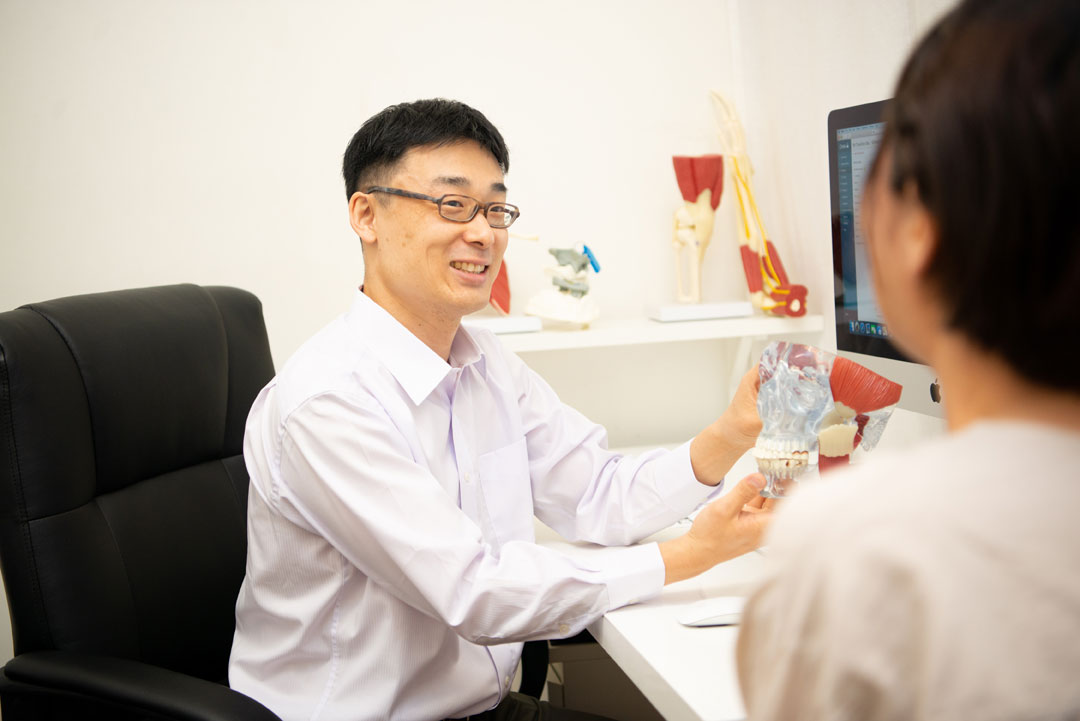
Jaw pain, or facial pain can be caused or exacerbated by the presence of auto-immune conditions such as rheumatoid arthritis, psoriasis / psoriatic arthritis, thyroid issues (particularly hypothyroidism such as Hashimoto’s thyroiditis), osteoarthritis, osteoporosis, infected sinus or tooth pain. Our TMJ expert physiotherapist is trained to accurately direct you to the diagnosis and if necessary, we will refer you to the most appropriate specialist from our list of trusted healthcare professionals.
Starting your Jaw Treatment
 'Regain your confidence in Biting into an Apple!!'
At consultations, you expect to
 Be asked clinical questions
Interviewing plays an integral role to explore and discover the root cause of your symptom.
 Be measured all range-of-motions
Objective examination of your jaw function will highlight current functional problems of your jaw.
 Be diagnosed
Most jaw disorders and dysfunctions are due to the imbalance of jaw joints. An accurate diagnosis based on specifically designed assessment is the first step to your successful treatment.
 Set your treatment goal
Everyone has his or her only symptom or a worry . Setting your own goal and taking charge of your program will help accelerate your recovery!
 Have your personalised treatment plan
Based on your condition and goal, the TMJ specialised Physio creates your personalised treatment plan.
 Receive manual therapy on your jaw
By the jaw expert physio. Sometimes it is not appropriate to provide manual therapy, such as when you are suffering from strong pain.
 Have home exercises prescribed
Self exercises at home will accelerate restoration of your jaw. We believe that it is very beneficial for you to know the ways of self management and maintenance. We will prescribe appropriate exercises at the right stage of treatment according to your condition and progress.
 Receive advice for your habits
We believe education plays an important role in successful treatment. You will significantly benefit from altering your habits, posture and/or diets that caused TMJ problems.
Self Exercises Video Tutorials

So we call people with TMD and motivated to restore their jaw function Jawkers, (R).
We have a series of videos about jaw health and exercises based on the latest scientific evidence and clinical results.
Please subscribe to our channel for more tips and Like the videos when you enjoy.
It will cheer us up!!
These are popular videos for self exercise and stretch for your jaw.
Rocabado's 6x6 Jaw Exercises - Practical Version
7 Exercises to Make Perfect Recovery from Jaw Disorder
Oxford stretch exercise for your Jaw
Happy Rehab 🙂
Frequently Asked Questions
What does a jaw physiotherapist do?
A jaw physiotherapist assesses the movement and function of your jaw and surrounding structures to identify factors contributing to your symptoms. Treatment may include manual therapy, exercises, education and advice to help restore comfortable jaw function.
Can physiotherapy help TMJ or TMD?
Yes. Physiotherapy can be an effective treatment option for many people experiencing temporomandibular joint (TMJ) or temporomandibular disorder (TMD) symptoms. Your physiotherapist will first assess your jaw and symptoms before developing an appropriate treatment plan.
What symptoms can jaw physiotherapy help with?
Jaw physiotherapy may help with symptoms including jaw pain, clicking or popping, stiffness, difficulty opening your mouth, jaw locking, pain when chewing, facial pain and some headaches associated with jaw dysfunction.
Do I need a referral to see a jaw physiotherapist?
No. You can make an appointment with Metro Physiotherapy directly without a referral. If your symptoms require assessment by another healthcare professional, we can recommend or refer you to an appropriate specialist where necessary.
Can jaw physiotherapy help with teeth grinding or clenching?
Physiotherapy may help address some of the muscle tension, jaw dysfunction and contributing factors associated with clenching and grinding. Your treatment will depend on the underlying cause and your individual symptoms.
Can jaw problems cause headaches or migraines?
Jaw dysfunction can contribute to some types of headaches and facial pain. During your assessment, your physiotherapist can consider the relationship between your jaw, neck and headache symptoms and determine whether physiotherapy may be an appropriate headache or migraine treatment.
How many physiotherapy sessions will I need?
The number of appointments varies depending on your symptoms, diagnosis, contributing factors and treatment goals. Your physiotherapist will discuss your treatment plan with you after your assessment rather than recommending a fixed number of sessions.